
High Court’s Bendel Decision Reshapes Trust Taxation
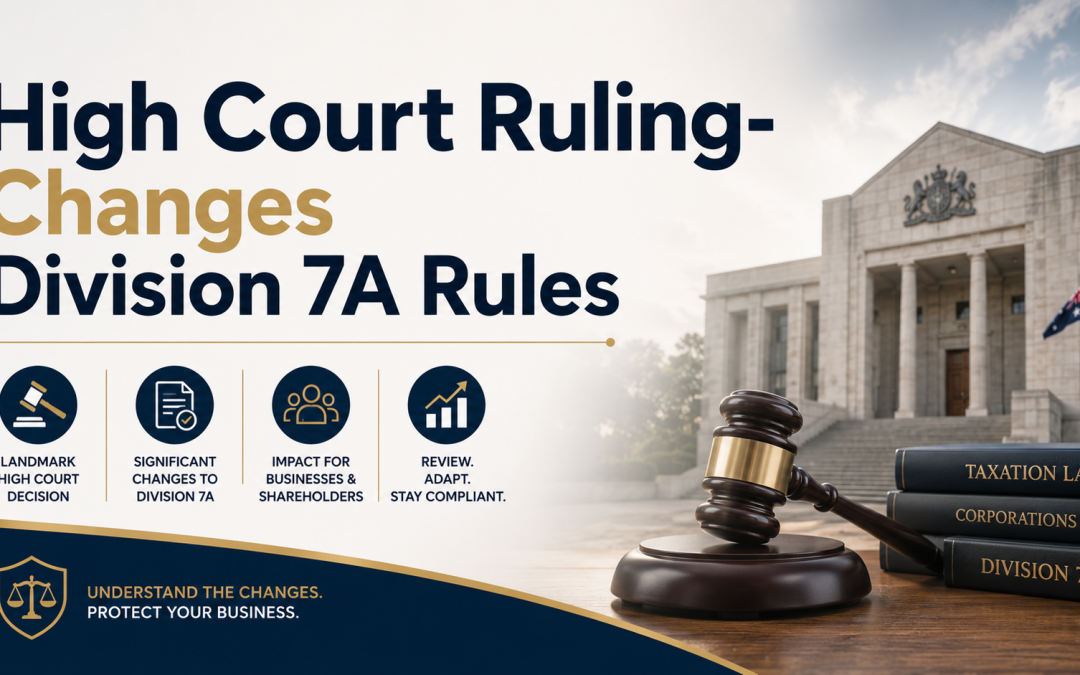
Landmark High Court Victory for Trusts and Private Groups The High Court’s decision in Commissioner of Taxation v Bendel [2026] HCA 18 is one of the most significant tax cases affecting trusts and private groups in recent decades. In a decisive 5-2 majority...
How the New Negative Gearing, CGT and Trust Tax Changes Are Reshaping Property Investment Structures
For decades, Australian property investors have relied on discretionary trusts and companies to build wealth, protect assets, and improve tax outcomes. These structures were often promoted as powerful tools for income streaming, estate planning, asset protection and...
Avoid costly mistakes when preparing Trust Resolution Distributions
For many Australian business owners and investors, discretionary trusts remain one of the most effective structures for managing wealth, protecting assets and creating tax flexibility. However, that flexibility comes with strict timing requirements — particularly when...
Federal Budget 2026 – Negative Gearing, CGT and Trust Changes Explained
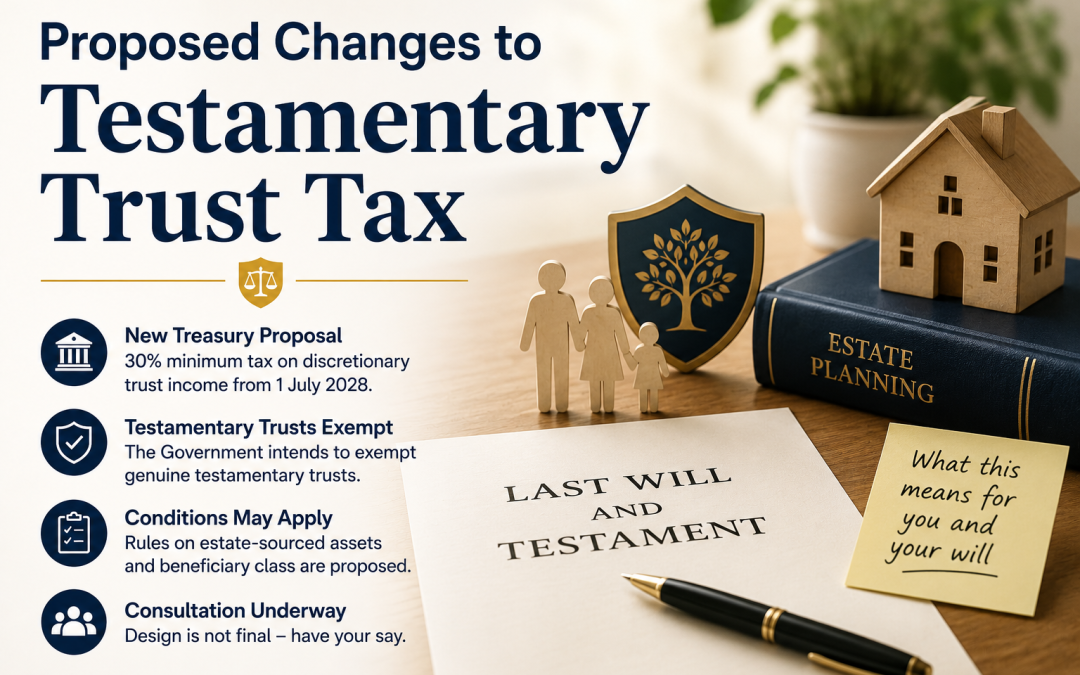
The 2026 Australian Federal Budget handed down on 12 May 2026 introduced some of the most significant investment tax reforms in decades. The Albanese Government announced sweeping changes to negative gearing, capital gains tax (CGT), and discretionary trusts as part...
Recent Comments